
Your Complete Introduction to One of the World's Greatest Cuisines
Thai cuisine is a symphony of flavors that has grabbed food lovers worldwide. From the bustling street food stalls of Bangkok to the refined royal cuisine of the palace, this guide will help you navigate, appreciate, and fully enjoy Thailand's extraordinary culinary landscape.








Thai cuisine is renowned for its bold, harmonious flavors that dance across your palate. Unlike many Western cuisines that rely on a single dominant taste, Thai cooking is about balance - the interplay of multiple flavors creating something greater than the sum of its parts. Understanding this philosophy is key to appreciating Thai food at its fullest.
Every great Thai dish achieves a careful balance of these five taste elements:
From palm sugar, coconut milk, and ripe fruits. Sweetness balances heat and sourness, creating depth without overpowering.
Lime juice, tamarind, and vinegar provide brightness. Sourness cuts through richness and awakens the palate.
Fish sauce (nam pla) is the backbone of Thai seasoning. Soy sauce and shrimp paste add umami depth alongside saltiness.
Fresh and dried chilies bring heat. Thai cuisine uses various chilies, each with unique heat levels and flavor profiles.
The most subtle flavor, found in Thai eggplants, bitter melon, and some herbs. Bitterness adds complexity and aids digestion in Thai culinary philosophy.
In Thai, the phrase "gin khao" (กินข้าว) literally means "eat rice," but it's used to mean "have a meal." This linguistic fact reveals the centrality of rice to Thai culture. A meal without rice is simply not considered complete.
Jasmine Rice (Khao Hom Mali) - Thailand's fragrant long-grain rice, prized worldwide for its floral aroma and slightly sticky texture. This is the standard rice served in Central and Southern Thailand.
Sticky Rice (Khao Niao) - The staple of Northern and Northeastern Thailand (Isaan). Eaten with the hands, rolled into balls, and used to scoop up food. Sticky rice is served in small bamboo baskets called "kratip."
What sets Thai cuisine apart from other Southeast Asian cuisines is the liberal use of fresh herbs. While the cooking may be quick, the preparation of fresh ingredients is considered an art form. Key aromatics include:
These are the dishes you'll encounter daily in Thailand. Master ordering these, and you'll never go hungry. We've included Thai script, romanization, and typical spice levels.
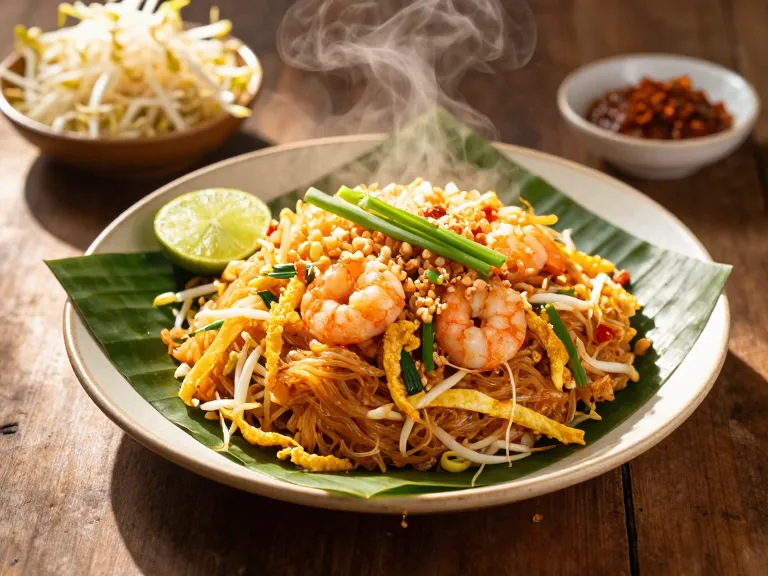
ผัดไทย (Phat Thai)
Thailand's most famous noodle dish, stir-fried rice noodles with eggs, tofu, dried shrimp, bean sprouts, and a tamarind-based sauce. Served with crushed peanuts, lime, and chili flakes on the side. Originally created as a nationalist dish in the 1930s to promote Thai identity, it has become the country's culinary ambassador to the world.
Variations: Pad Thai Goong (with prawns), Pad Thai Gai (chicken), Pad Thai Talay (seafood), Pad Thai wrapped in egg omelette
Price: 40-80 THB (street), 150-300 THB (restaurant)
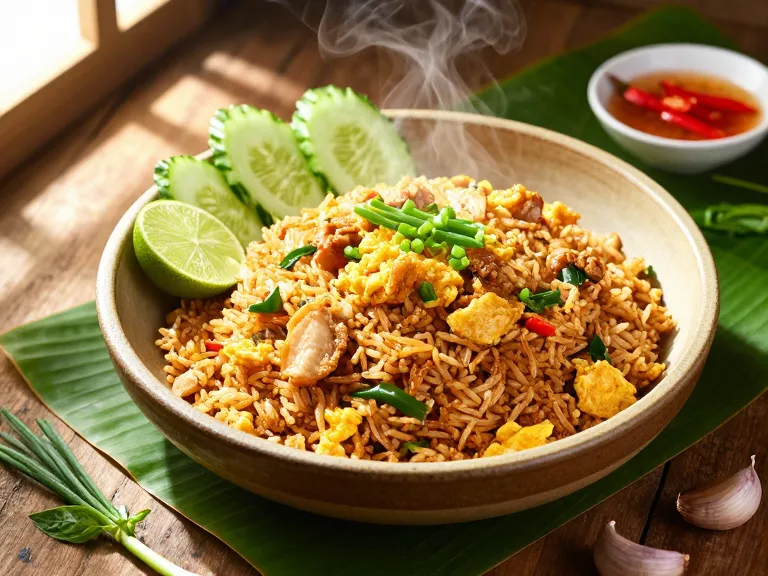
ข้าวผัด (Khao Phat)
Thai fried rice, a simple but satisfying dish found at every street corner. Day-old jasmine rice is wok-fried with garlic, egg, and your choice of protein, seasoned with fish sauce and a touch of sugar. Served with cucumber slices, lime wedge, and fresh chilies in fish sauce (prik nam pla). The high heat of the wok creates the signature "wok hei" or breath of the wok.
Popular Variations: Khao Pad Gai (chicken), Khao Pad Moo (pork), Khao Pad Goong (shrimp), Khao Pad Sapparod (pineapple fried rice - tourist favorite)
Price: 40-60 THB (street), 100-200 THB (restaurant)
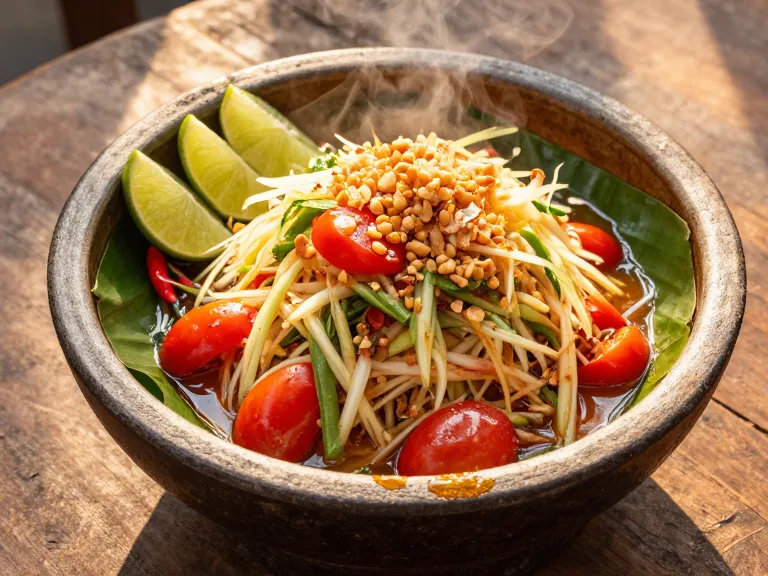
ส้มตำ (Som Tam)
Green papaya salad, the iconic dish of Isaan (Northeast Thailand) that has conquered the entire country. Shredded unripe papaya is pounded in a mortar with garlic, chilies, tomatoes, long beans, dried shrimp, peanuts, palm sugar, fish sauce, and lime juice. The rhythmic pounding of the pestle is a ubiquitous sound at Thai markets. This dish perfectly demonstrates all five Thai flavors in one bite.
Regional Variations: Som Tam Thai (standard, milder), Som Tam Poo (with salted crab - very spicy), Som Tam Pla Ra (with fermented fish - authentic Isaan style)
Tip: Say "mai sai poo pla ra" (ไม่ใส่ปูปลาร้า) to avoid raw crab and fermented fish
Price: 35-60 THB (street), 80-150 THB (restaurant)
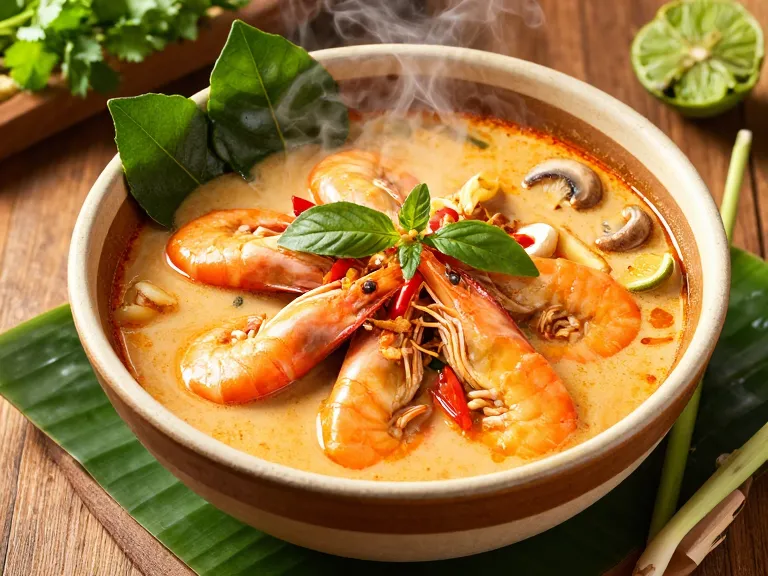
ต้มยำกุ้ง (Tom Yam Kung)
Perhaps Thailand's most celebrated soup, a hot and sour masterpiece featuring succulent prawns in a fragrant broth infused with lemongrass, galangal, kaffir lime leaves, and bird's eye chilies. The explosion of flavors - sour from lime, salty from fish sauce, spicy from chilies, and slightly sweet from the natural prawn juices - creates a symphony that has made this soup world-famous. The aroma alone is intoxicating.
Styles: Tom Yum Nam Sai (clear broth), Tom Yum Nam Khon (creamy with evaporated milk and chili oil - the restaurant-style version)
Price: 60-100 THB (street), 150-350 THB (restaurant)
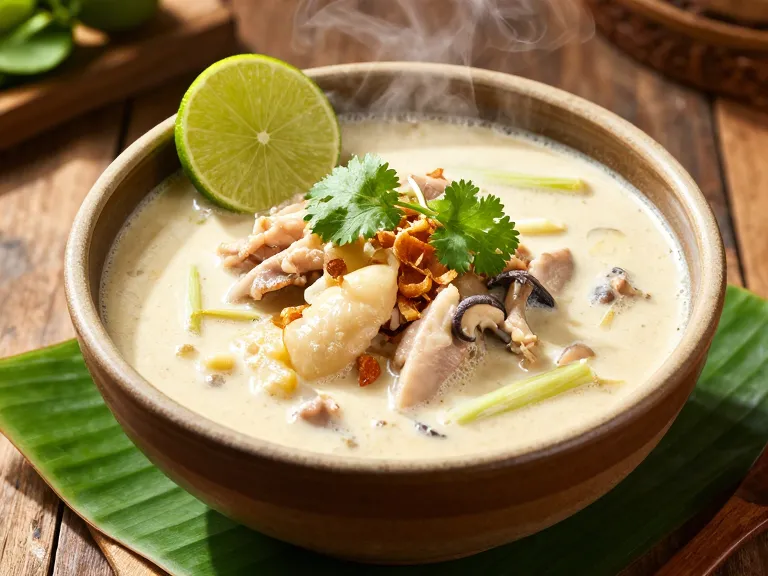
ต้มข่าไก่ (Tom Kha Kai)
Coconut chicken soup, the gentler cousin of Tom Yum. Tender chicken simmered in rich coconut milk with galangal (kha), lemongrass, and kaffir lime leaves. The creamy, slightly tangy broth is comfort food at its finest. Less aggressively spicy than Tom Yum, it's perfect for those who want bold Thai flavors without the intense heat.
Note: The galangal and lemongrass are for flavoring only - don't eat them!
Price: 60-80 THB (street), 150-300 THB (restaurant)
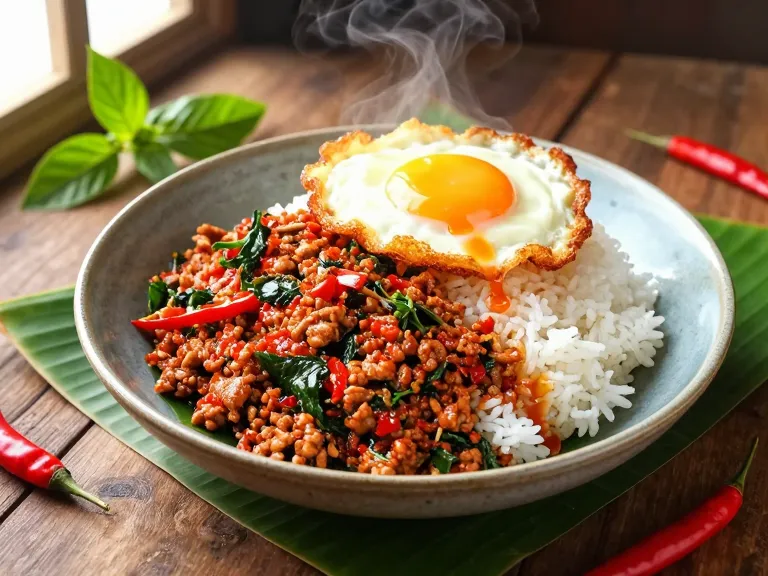
ผัดกระเพรา (Phat Kaphrao)
The quintessential Thai workday lunch. Minced meat (usually pork, but chicken and beef are common) stir-fried at screaming-hot wok temperature with garlic, chilies, and holy basil (krapao). Served over rice with a fried egg on top (kai dao). This is the dish Thais crave when they want something quick, satisfying, and loaded with flavor. The holy basil has a peppery, slightly spicy taste that distinguishes it from Italian basil.
Order it: "Pad kra pao moo sap kai dao" (ผัดกระเพราหมูสับไข่ดาว) - Basil stir-fry with minced pork and fried egg
Price: 40-60 THB (street), 80-150 THB (restaurant)
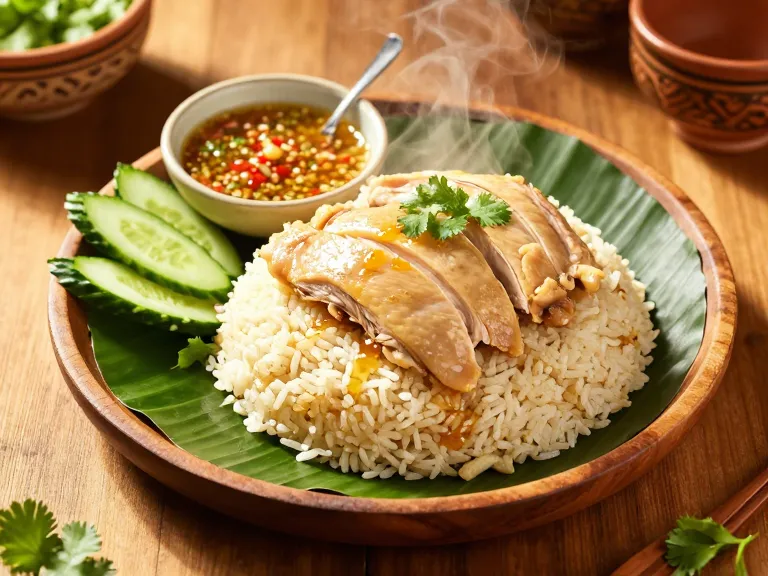
ข้าวมันไก่ (Khao Man Kai)
Thai-style Hainanese chicken rice. Poached chicken, impossibly tender and silky, served over rice cooked in chicken fat and broth. The magic is in the accompanying sauce - a pungent mixture of fermented soybean paste, ginger, garlic, chilies, and vinegar. Simple ingredients raised to perfection. Often served with a clear chicken broth on the side and sliced cucumber.
Look for: Shops with whole chickens hanging in the window - the mark of an authentic Khao Man Gai specialist
Price: 40-60 THB (street), 80-150 THB (restaurant)
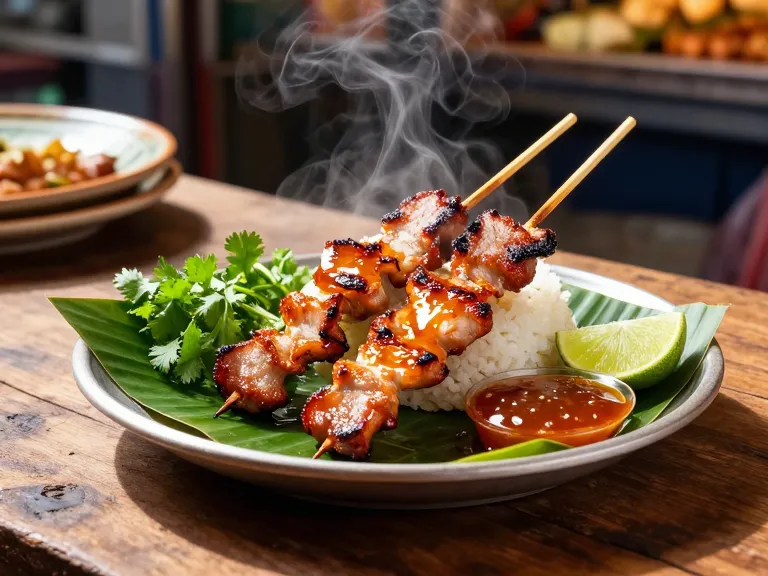
หมูปิ้ง (Mu Ping)
Grilled pork skewers, Thailand's ultimate grab-and-go breakfast. Fatty pork marinated in a mixture of garlic, coriander root, palm sugar, fish sauce, and coconut milk, then grilled over charcoal until caramelized and slightly charred. The smoke from countless Moo Ping vendors fills the morning air across Thailand. Served with sticky rice, it's the perfect fuel for the day ahead.
Best time: Early morning (6-9 AM) when vendors are freshly grilling
Price: 10-15 THB per skewer (usually sold in sets of 4-5)
Thai curries (gaeng) are distinct from Indian curries - they're typically thinner, more aromatic, and built on a foundation of fresh curry paste pounded in a mortar.
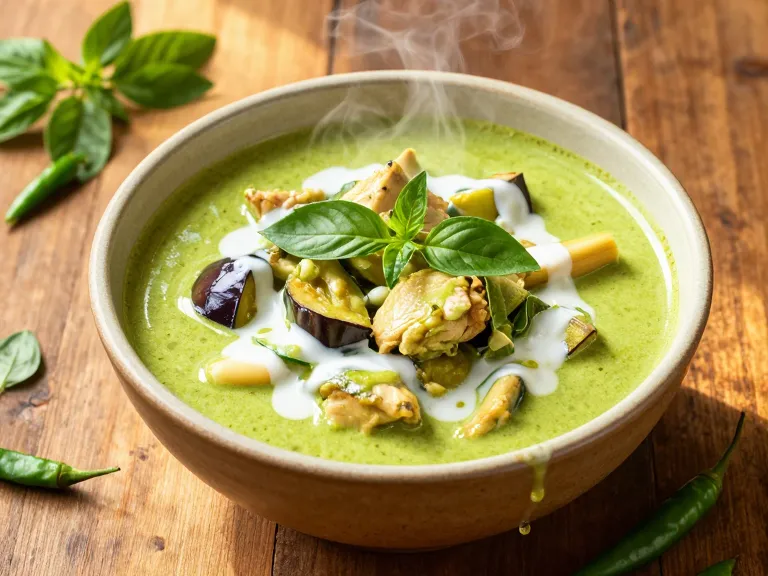
แกงเขียวหวาน (Kaeng Khiao Wan)
The spiciest of the popular Thai curries, with its heat coming from fresh green chilies in the paste. The "wan" (sweet) in the name refers to the beautiful green color, not the taste. Typically made with chicken or beef, Thai eggplants, bamboo shoots, and sweet basil in coconut milk. The lively green color and intense aroma make this a feast for all senses.
Price: 50-80 THB (street), 120-250 THB (restaurant)
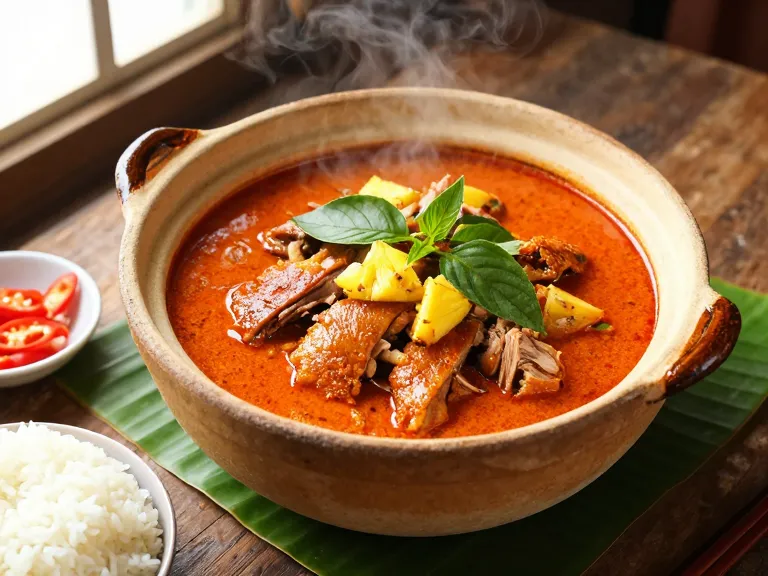
แกงเผ็ด (Kaeng Phet)
Made with dried red chilies, red curry has a slightly milder heat but deeper, more complex flavors. The paste includes shrimp paste, garlic, shallots, lemongrass, and galangal. Often prepared with duck (Gaeng Phet Ped Yang) and served with pineapple, tomatoes, and Thai basil. The red curry paste is also the base for Panang curry.
Price: 50-80 THB (street), 120-250 THB (restaurant)
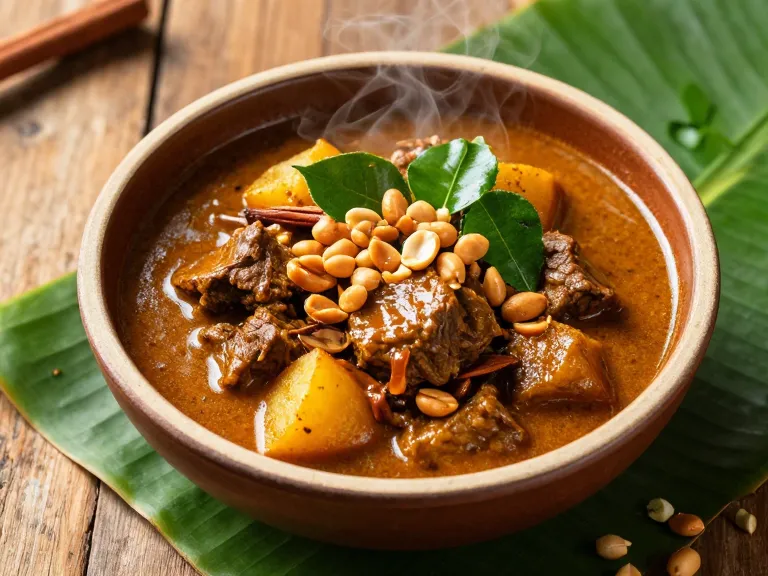
แกงมัสมั่น (Kaeng Matsaman)
The mildest and richest Thai curry, with Persian and Indian influences from Muslim traders. Features warming spices like cardamom, cinnamon, cloves, and nutmeg alongside the traditional Thai aromatics. Typically braised with beef or chicken, potatoes, onions, and roasted peanuts until the meat is fall-apart tender. The sauce is thick, sweet, and luxuriously creamy - often called the world's most delicious curry.
Price: 60-100 THB (street), 150-300 THB (restaurant)
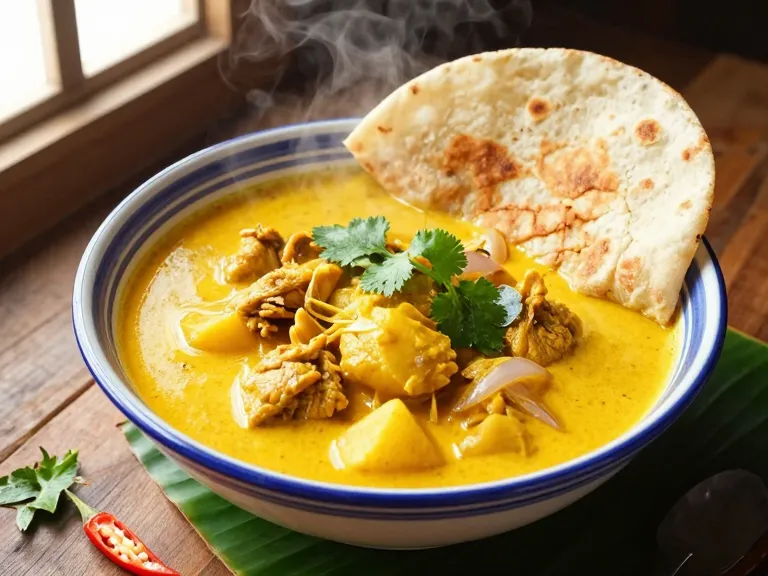
แกงกะหรี่ (Kaeng Kari)
The most Indian-influenced Thai curry, colored by turmeric and curry powder. Milder and more familiar to Western palates, it's often made with chicken, potatoes, and onions in a rich coconut milk base. The yellow curry paste typically includes dried chilies, lemongrass, galangal, and shrimp paste along with the Indian spices. Served with roti for dipping in Southern Thailand.
Price: 50-80 THB (street), 120-250 THB (restaurant)
Beyond the curries, each region of Thailand has signature dishes you must try.
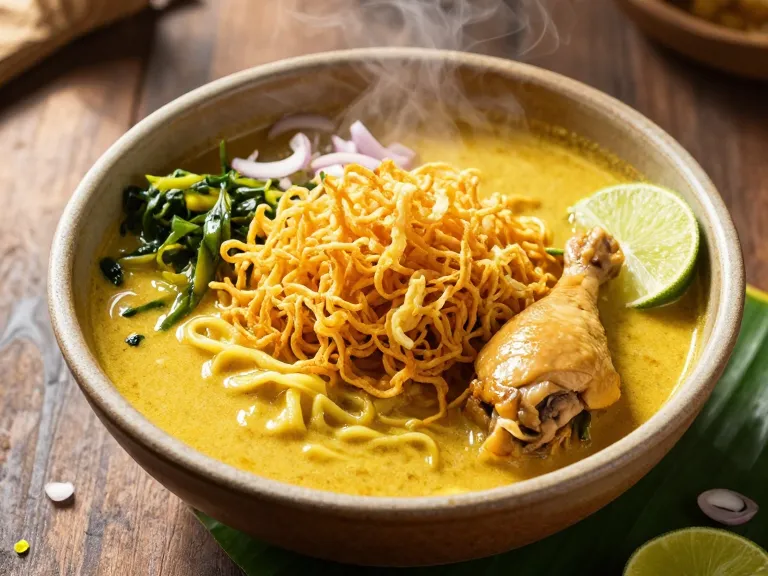
ข้าวซอย (Khao Soi) - Northern Thailand
Chiang Mai's signature dish - egg noodles in a rich curry broth topped with crispy fried noodles. Usually served with chicken leg, pickled mustard greens, shallots, and lime. The Burmese-influenced curry is creamy and mildly spiced with a perfect balance of textures between soft and crispy noodles.
Where: Best in Chiang Mai, especially at local markets and Muslim-Thai restaurants
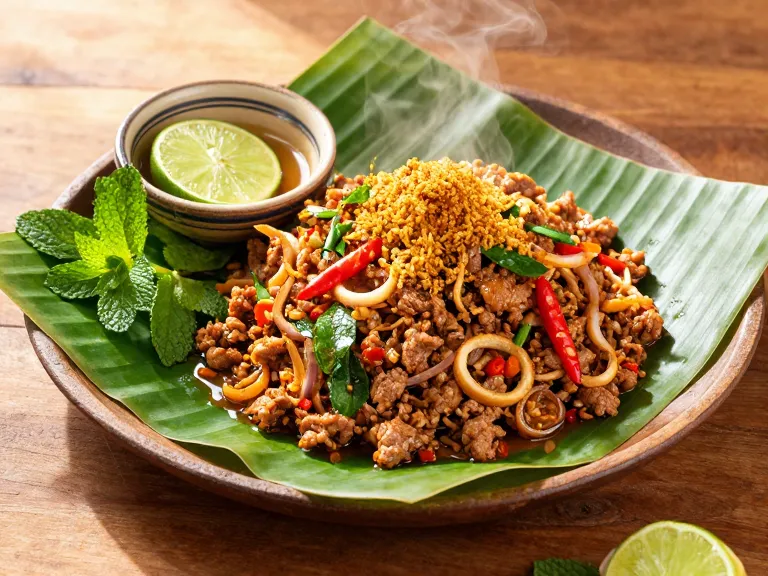
ลาบ (Laab) - Isaan/Northeastern
The quintessential Isaan dish - spicy minced meat salad dressed with lime juice, fish sauce, fresh mint, shallots, and toasted rice powder that adds a nutty crunch. Typically made with pork, chicken, duck, or beef. Eaten with sticky rice and fresh vegetables.
Variations: Larb Moo (pork), Larb Gai (chicken), Larb Ped (duck), Larb Dip (raw - for adventurous eaters)
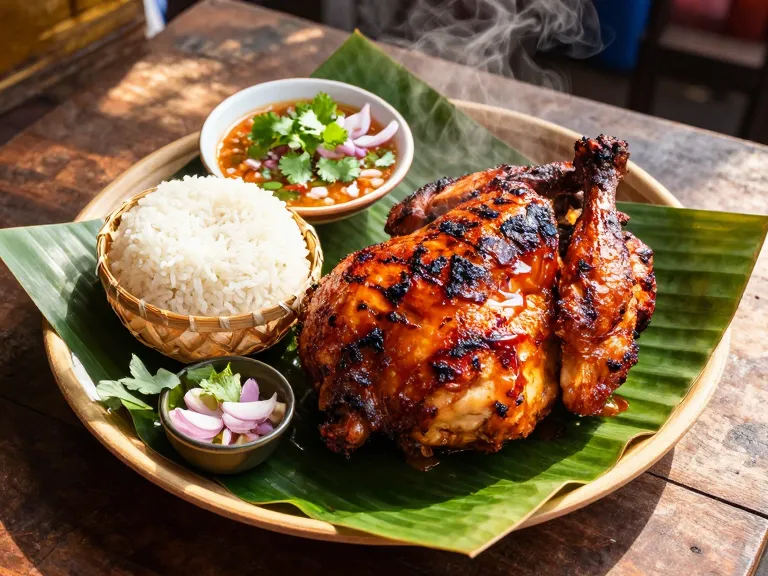
ไก่ย่าง (Kai Yang) - Isaan/Northeastern
Isaan-style grilled chicken marinated in garlic, lemongrass, coriander root, and pepper, then slowly grilled over charcoal. The chicken is often flattened for even cooking and basted with a sweet tamarind glaze. Always served with sticky rice, som tam, and spicy dipping sauce.
Classic combo: Gai Yang + Som Tam + Sticky Rice = Perfect Isaan meal
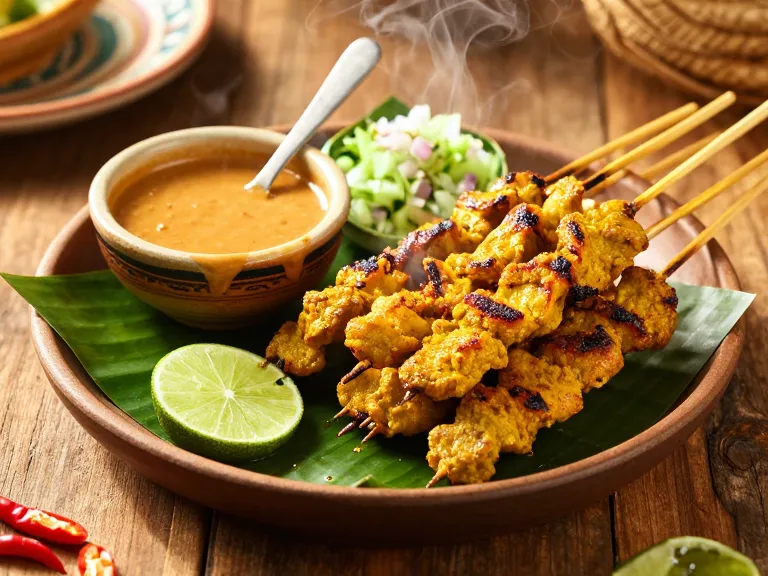
สะเต๊ะ (Satay) - Southern/Thai-Muslim
Grilled meat skewers marinated in turmeric and spices, served with rich peanut sauce and cucumber relish. A Thai-Muslim specialty that has become popular nationwide. Usually made with pork or chicken, grilled over charcoal for smoky flavor.
Price: 10-20 THB per skewer, usually sold in sets of 5-10
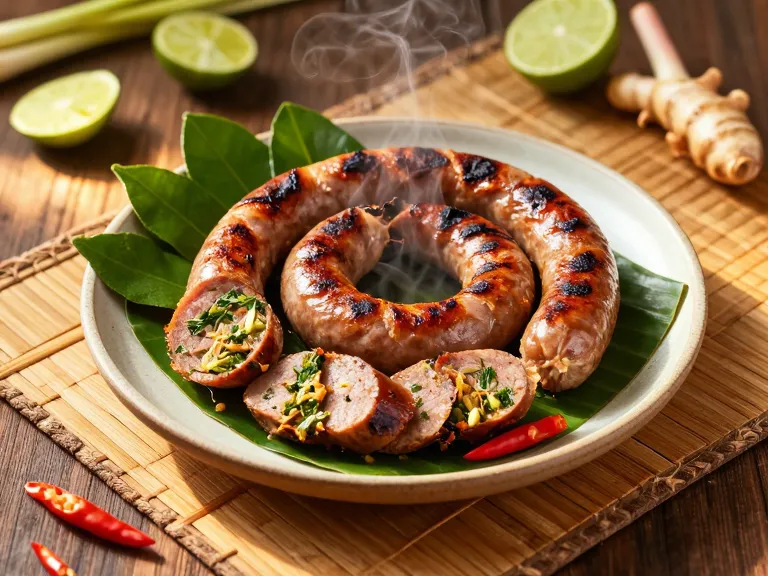
ไส้อั่ว (Sai Ua) - Northern Thailand
Chiang Mai's famous herbaceous sausage packed with lemongrass, galangal, kaffir lime leaves, chilies, and local herbs. Grilled until the casing is crispy and served sliced with fresh vegetables and sticky rice. The complex herb flavor is unlike any other sausage.
Best at: Chiang Mai's Warorot Market and Sunday Walking Street
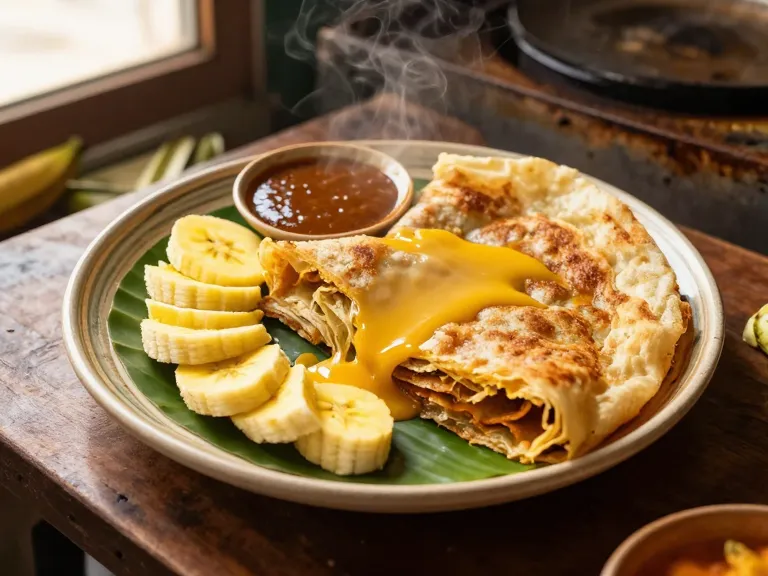
โรตี (Roti) - Southern Thai-Muslim
Flaky, crispy flatbread influenced by Malaysian and Indian cuisine. Watch vendors stretch and flip the dough before frying it on a hot griddle. Served sweet with condensed milk and banana, or savory alongside curries for dipping.
Popular versions: Roti Gluay (banana), Roti Khai (egg), Roti with curry dipping
Thai noodle dishes are a world unto themselves, from quick stir-fries to complex soups.
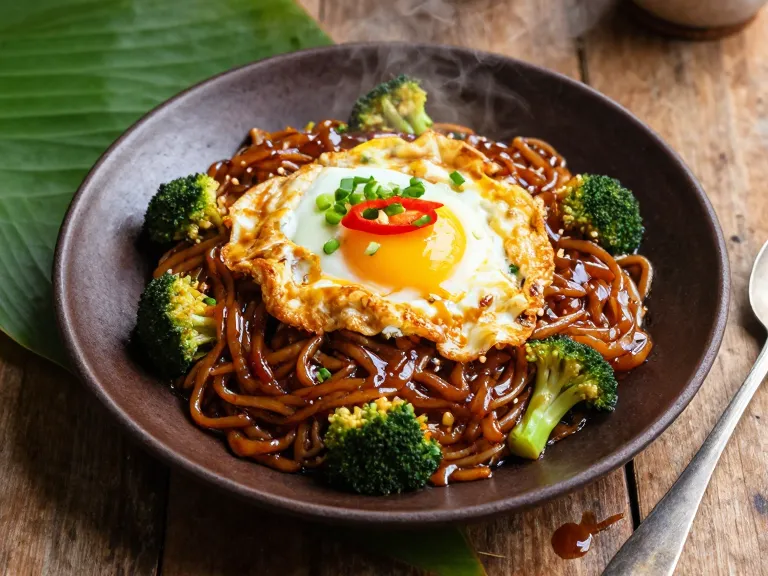
ผัดซีอิ๊ว (Phat Si-io)
Wide rice noodles stir-fried with dark soy sauce, Chinese broccoli, egg, and choice of meat. The high heat creates caramelized, slightly charred edges on the noodles - the hallmark of good Pad See Ew. Sweet, savory, and satisfying.
Price: 40-60 THB (street), 100-180 THB (restaurant)
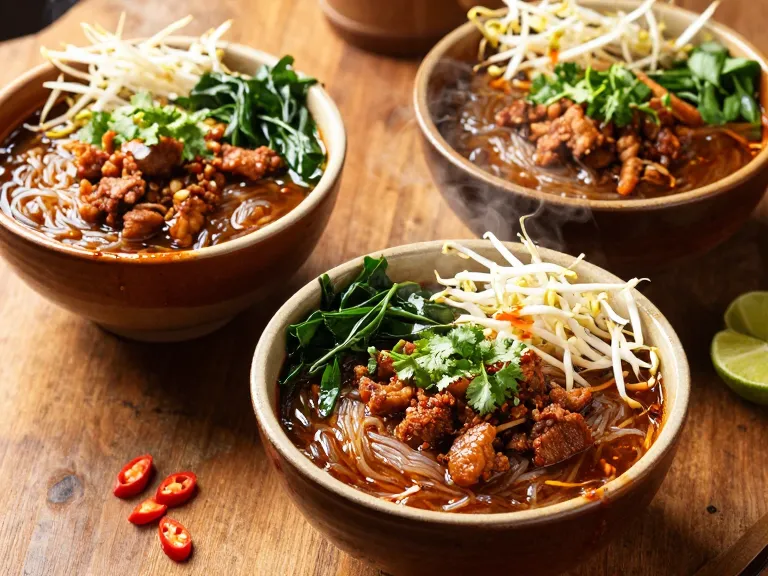
ก๋วยเตี๋ยวเรือ (Kuay Teow Reua)
Small bowls of intensely flavored noodle soup, originally sold from boats on Bangkok's canals. The dark, rich broth gets its depth from pork or beef blood (optional), herbs, and spices. Served in small portions - it's common to eat 5-10 bowls in one sitting!
Where: Bangkok's Victory Monument Boat Noodle Alley is legendary
Thai desserts and drinks are the perfect finale to any meal.
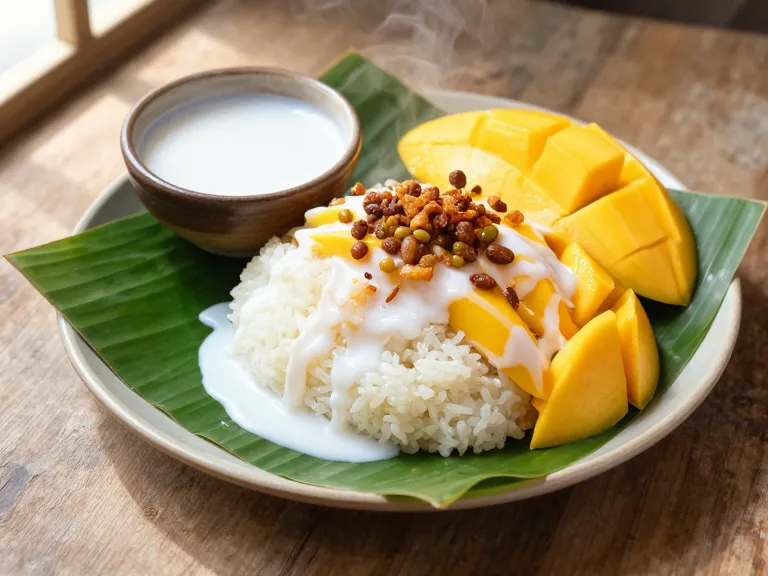
ข้าวเหนียวมะม่วง (Mango Sticky Rice)
Thailand's most beloved dessert - sweet sticky rice paired with perfectly ripe mango and drizzled with coconut cream. The rice is soaked in sweetened coconut milk, creating a rich, creamy base for the fresh mango. Best during mango season (April-June).
Price: 60-100 THB (street), 150-250 THB (restaurant)
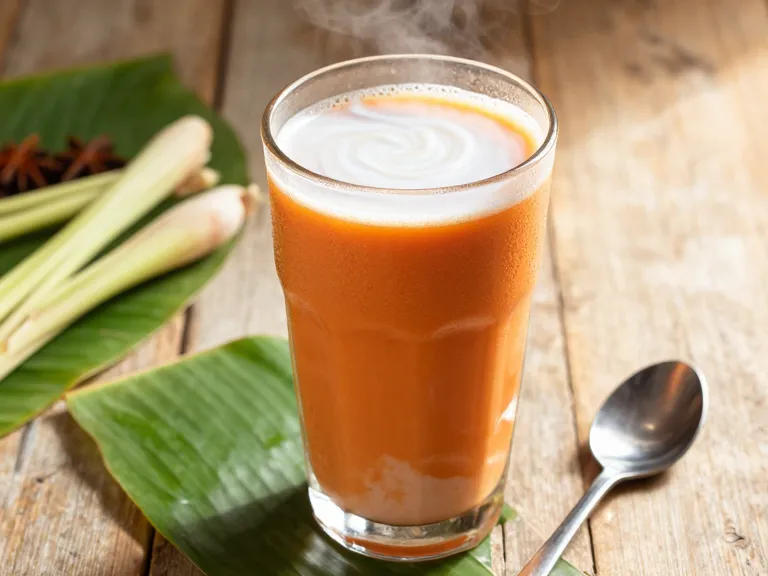
ชาเย็น (Thai Iced Tea)
The iconic bright orange Thai iced tea made with strongly brewed Ceylon tea, sweetened with condensed milk and sugar, served over ice with a splash of evaporated milk. Sweet, creamy, and incredibly refreshing in the Thai heat.
Variations: Cha Manao (with lime), Cha Dum Yen (black iced tea, no milk)
Thailand's cuisine varies dramatically by region. Each area has developed distinctive dishes based on local ingredients, geography, and historical influences.
The cuisine most foreigners recognize as "Thai food." Influenced by royal palace cuisine with an emphasis on presentation and balanced flavors. Sweet notes are more prominent here.
Signature Dishes:
Influenced by Burmese and Shan cuisines. Flavors are milder, earthier, and less sweet than Central Thai. Sticky rice is the staple, and dishes feature local herbs and wild ingredients from the mountains.
Must-Try Dishes:
Influenced by Lao cuisine, Isaan food is bold, spicy, and intensely flavored. This is where you'll find the most adventurous Thai dishes. Grilled meats, fermented fish, and fresh herbs dominate.
Essential Dishes:
The spiciest regional cuisine! Influenced by Malaysian and Muslim traditions. Seafood features prominently, as does turmeric (giving many dishes a yellow hue). Flavors are intense and uncompromising.
Regional Specialties:
Learning a few key Thai phrases will dramatically improve your dining experience. Thai people genuinely appreciate any effort to speak their language, and it helps you get exactly what you want.
| English | Thai Script | Pronunciation |
|---|---|---|
| I would like... | ขอ... | Khor... |
| One plate of... | ...หนึ่งจาน | ...neung jaan |
| Not spicy | ไม่เผ็ด | Mai phet |
| A little spicy | เผ็ดนิดหน่อย | Phet nit noi |
| Medium spicy | เผ็ดกลาง | Phet klang |
| Very spicy (Thai spicy) | เผ็ดมาก / เผ็ดไทย | Phet mak / Phet Thai |
| No MSG | ไม่ใส่ผงชูรส | Mai sai phong chu rot |
| No sugar | ไม่ใส่น้ำตาล | Mai sai nam taan |
| Without [ingredient] | ไม่ใส่... | Mai sai... |
| With extra... | ใส่...เพิ่ม | Sai...perm |
| Check please | เช็คบิล / คิดเงิน | Check bin / Kit ngern |
| Delicious! | อร่อย! | Aroy! |
Vegetarian (Buddhist): เจ (Jay/Jae)
Very strict - no meat, no eggs, no garlic, no onion. Look for yellow flags with "เจ" during vegetarian festivals.
Vegetarian (flexible): มังสวิรัติ (Mung-sa-wi-rat)
No meat, but may include eggs, garlic, and onion.
No fish sauce: ไม่ใส่น้ำปลา (Mai sai nam pla)
Important for vegans - fish sauce is in almost everything!
No peanuts: ไม่ใส่ถั่ว (Mai sai tua)
No shellfish: ไม่ใส่หอย (Mai sai hoi)
No pork: ไม่ใส่หมู (Mai sai moo)
No beef: ไม่ใส่เนื้อ (Mai sai neua)
Allergic to [X]: แพ้... (Pae...)
Example: แพ้ถั่ว (Pae tua) = Allergic to peanuts
Thai street food is legendary - and for good reason. Some of the best food in Thailand comes from humble pushcarts and open-air stalls. Here's how to navigate the street food scene like a local.
Best for: Moo Ping, Khao Man Gai, congee (jok), pa-tong-go (Thai donuts), coffee with condensed milk. Markets are busiest and freshest.
Best for: Rice dishes (Pad Kra Pao, curries over rice), noodle soups, one-dish meals. Office workers create long queues at popular spots.
Best for: Night markets, Pad Thai, Som Tam, grilled seafood, barbecue skewers. The most variety and atmosphere.
Best for: Khao tom (rice soup), grilled meats, drinking snacks. Areas around Chinatown and Banglamphu stay active late.
Understanding Thai dining customs will help you eat like a local and show respect for Thai culture. While Thais are forgiving of foreigners' mistakes, knowing the customs enhances your dining experience.
One of the biggest misconceptions: Thais typically eat with a fork and spoon, not chopsticks. The spoon is the primary utensil (held in the right hand), while the fork (in the left hand) is used to push food onto the spoon.
Thai meals are communal. Dishes are placed in the center of the table and everyone shares. You'll have your own plate of rice, and take small portions from shared dishes as you eat.
When ordering for a group, Thais balance flavors across dishes - not everyone orders the same thing. A good Thai meal includes variety.
"Going Dutch" is not common in Thai culture. Usually one person pays for everyone, and it's expected that roles will reverse next time.
Tipping in Thailand is not as formalized as in Western countries, but it's becoming more common in tourist areas and upscale establishments.
Note: Many restaurants add a 10% service charge automatically. Check your bill before adding a tip.
Understanding Thai ingredients is key to appreciating the cuisine. These are the building blocks that create the unique flavors of Thai cooking.
The most common basil, with a peppery, anise flavor. Used in green curry and many stir-fries. The purple stems and flowers are distinctive.
Spicier and more pungent, with a clove-like flavor. The star of Pad Kra Pao. Releases its flavor when cooked at high heat. Sacred in Hindu tradition.
Delicate citrus flavor. Used fresh in salads, curries, and noodle soups. Smaller leaves than the other basils, with a distinctive lemony aroma.
Nam Pla
The soul of Thai cooking. Made from fermented fish, it provides the salty, umami backbone of almost every savory Thai dish. Quality varies greatly - premium brands like Tiparos or Megachef are worth seeking out.
Nam Man Hoi
Adds rich, savory depth to stir-fries. Made from oyster extracts, it provides a caramelized sweetness and glossy finish. Essential for Pad See Ew and Chinese-influenced Thai dishes.
Si-iu
Light soy sauce (si-iu khao) for seasoning, dark soy sauce (si-iu dam) for color and sweetness. Used more in Chinese-Thai dishes than traditional Thai.
Kapi
Pungent fermented shrimp paste that's a key component of curry pastes. The smell is intense raw but mellows when cooked. Essential for authentic Thai curry flavor.
Tiny but extremely hot. The "mouse droppings chili" (literal translation). Used fresh in salads and condiments.
Medium-hot chili, commonly used in cooking. About 3-4 inches long, available in red and green varieties.
Used for color and moderate heat in curry pastes. Soaked before grinding.
Large, mild chili used in stir-fries for flavor without much heat.
Taking a Thai cooking class is one of the best experiences you can have in Thailand. Not only will you learn to recreate your favorite dishes at home, but you'll gain deeper appreciation for Thai culinary culture.
One of Bangkok's most popular schools. Classes start with a market tour, then you cook 5-6 dishes in a hands-on environment. Morning and afternoon sessions available.
Price: Around 1,200 THB | Duration: 4-5 hours
Located in a beautiful colonial mansion, offering more upscale Royal Thai cuisine classes. Learn traditional techniques and elegant presentation.
Price: 2,800-3,500 THB | Duration: Half-day
Small class sizes in a traditional wooden house. Very personal experience with excellent instruction. Great for beginners.
Price: 1,500 THB | Duration: 4-5 hours
Cook on an organic farm outside the city. Pick your own ingredients from the garden. Learn about sustainable farming alongside cooking.
Price: 1,300 THB | Duration: Full day
Popular school with excellent curriculum. Includes market tour and complete recipe book. Morning and evening classes.
Price: 1,000-1,400 THB | Duration: Half-day
Intimate classes in a family home. Learn Northern Thai specialties from recipes passed down through generations. Very authentic experience.
Price: 1,500 THB | Duration: Half-day
Chinatown Night Tour: The classic Bangkok food experience. Visit Yaowarat after dark for seafood, noodles, and Chinese-Thai specialties.
Old Bangkok Walking Tour: Explore historic neighborhoods like Banglamphu and Bang Rak for generations-old eateries.
Recommended operators: A Chef's Tour, Bangkok Food Tours, Taste of Thailand
Old City Temple & Food Walk: Combines temple visits with Northern Thai food discoveries.
Night Market Tour: Navigate the Sunday Walking Street with a guide to find the best stalls.
Recommended operators: A Chef's Tour, Chiang Mai Food Tours
Can't take a class in Thailand? These resources will help you master Thai cooking from anywhere in the world.